
Case Study
QR-Based Smart Ticketing for Delhi Metro
Designing and delivering digital ticketing experiences around QR-based access and modern transit workflows.
Context
Modernizing transit access in one of the busiest metro systems
Delhi Metro is one of the largest and busiest urban transit networks. Modernizing the ticketing experience required balancing reliability at scale with the practical reality of how millions of passengers move through a transit system every day.
The challenge was not only technical but experiential: the digital ticketing flow had to be fast, dependable and low-friction for a high-throughput environment.
Challenge
High-throughput ticketing demands engineering rigor
Digital transit ticketing is not a typical consumer app. The system has to perform in real time, support a high volume of passengers, and behave reliably under operational pressure. QR-based access introduced new considerations in UX, security and performance.
The experience had to work for passengers who are not patient, systems that cannot afford downtime, and an operating environment where reliability is the baseline, not the goal.
Solution
A purpose-built digital ticketing platform
We worked on the digital ticketing experience - from UX flows and access workflows to the engineering that makes them reliable at scale. The focus was on the passenger experience, the reliability of the system under operational conditions and the architecture required to support high-throughput access.
Where applicable, the solution combined QR-based access with modern product thinking — ensuring that the system performed at the level transit operations demand while remaining usable for passengers.
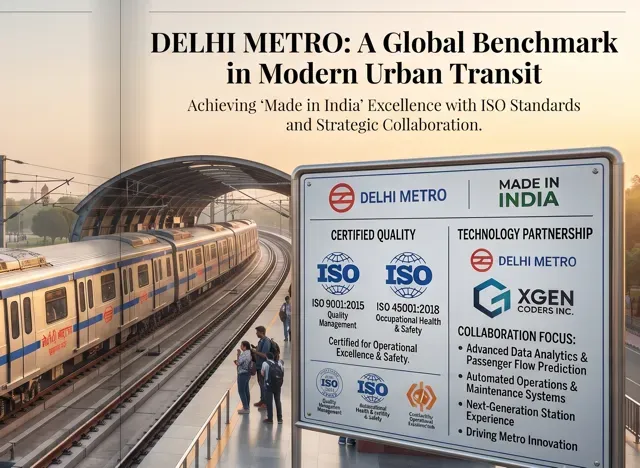
Image: Delhi Metro QR-Based Smart Ticketing (Just for representation, not actual image).
Delivery
What we delivered
- Digital ticketing UX and access workflows
- QR-based ticketing experience design
- Engineering for high-throughput transit environments
- Performance and reliability as core requirements
Have a complex transit or mobility project?
We understand the engineering requirements behind real-time, high-throughput systems.